
Stand on the footpath outside an old building in WA and the options can look nearly identical. Keep the facade, keep the shape, and everyone at the first site visit nods along. Then the quotes come back, and the paths split hard. Three approaches that looked like the same job end up with completely different approvals, budgets and outcomes.
That fork in the road is what this post unpacks. We’ll compare heritage restoration, adaptive reuse and sympathetic reconstruction, and explain why adaptive reuse is a genuine third choice rather than the consolation prize when a full restoration looks too expensive. We’ll open with why the three blur together on a first site visit, then take each one in turn. Restoration, where keeping original fabric is the point. Adaptive reuse, where the same building takes on a different job. Sympathetic reconstruction, where you rebuild to match what was there. Then we’ll line up the three questions that actually decide it: what significance must survive, what use the building has to carry, and what the budget can realistically sustain. We’ll finish on why the listing level alone doesn’t settle anything, and where to go for advice before you commit.
Why These Three Approaches Look Identical on a First Site Visit
Three owners stand in front of the same tired verandah, blown render and a lean-to. All three say the same thing: they want to bring it back. The buildings look identical. The intent does not, and intent is what sets the approvals and the budget.
Heritage restoration conserves existing fabric as the priority. Adaptive reuse keeps that fabric but changes what the building is used for. Sympathetic reconstruction replaces fabric that is gone or beyond saving with new work that matches.
Here is the catch: a first site visit records condition, not significance. It shows what is failing, not what matters. Significance sets the ceiling on what you are permitted to do. Local heritage policies direct councils to give it due weight in decision making under the Heritage Act 2018 framework.
The same three questions sit behind every approval, whichever approach you propose: what significance must survive, what use the building has to carry, and what your budget can realistically sustain. That is why the choice belongs before drawings are commissioned, not after they are refused. If the original use has expired, it is worth testing adaptive reuse properly before defaulting to restoration.
Heritage Restoration: When Keeping the Original Fabric Is the Point
Restoration is where the fabric itself carries the story. You repair and conserve what’s there, in place, matching methods, materials and profiles, and keeping the patina instead of chasing a new-building finish. Least intervention is the aim.
It’s the right call when significance lives in the material, think early construction techniques, original joinery, handmade brickwork or a rare detail, and when the current use can continue with modest structural, services and compliance upgrades.
Here, significance means the aesthetic, historic, scientific, social or spiritual value a place holds for people. Because works are assessed on their effect on significance, like-for-like repair of failing fabric is usually the lowest-risk submission. Every council runs its own approval process, so it pays to check the pathway with your local government early.
Budget: often the smallest headline number and the hardest to hold. Concealed defects behind render, linings and floors surface only once work starts, so plan around a contingency and staged scope rather than one fixed figure. Our conservation work across regional WA guide walks through how this plays out.
Where it goes wrong: treating restoration as cosmetic maintenance and replacing more fabric than the significance can absorb. That quietly erodes the value you set out to protect, and it weakens the case for later works.
Adaptive Reuse: Same Building, Different Job
A building is a good candidate for a new job when its significant structure, envelope and key spaces can take one. In practice, that means keeping the significant structure, envelope and key spaces, then threading new services, circulation, structural support and fitout through them. At Fremantle’s B Shed, self-contained pods sit inside the 1902 structure, leaving original fabric intact.
If you’re weighing conversion against demolition, it suits a building whose original use has expired: a hall, church, warehouse, school room or corner shop. Sound floor plates can carry a new function without reshaping the building. Ask for different levels, a big new wing or a changed footprint, and the economics turn quickly.
The building works affect the heritage place, and a change of use can bring its own consenting requirements. That is a separate pathway worth checking before you draft anything.
Budget runs several streams at once, and the conservation spend and the incoming-use spend have to be planned together. Early structural, services and fire investigation is what stops the new-work stream blowing out halfway through.
Retained fabric also skips the embodied carbon of a new build.
Where it goes wrong: the new use reshapes what should have been protected. Egress routes cut through original walls; services eat the ceiling void. Sequence conservation first, insertion second. When the fabric can’t carry it, the conversation changes.
Sympathetic Reconstruction: Rebuilding to Match What Was There
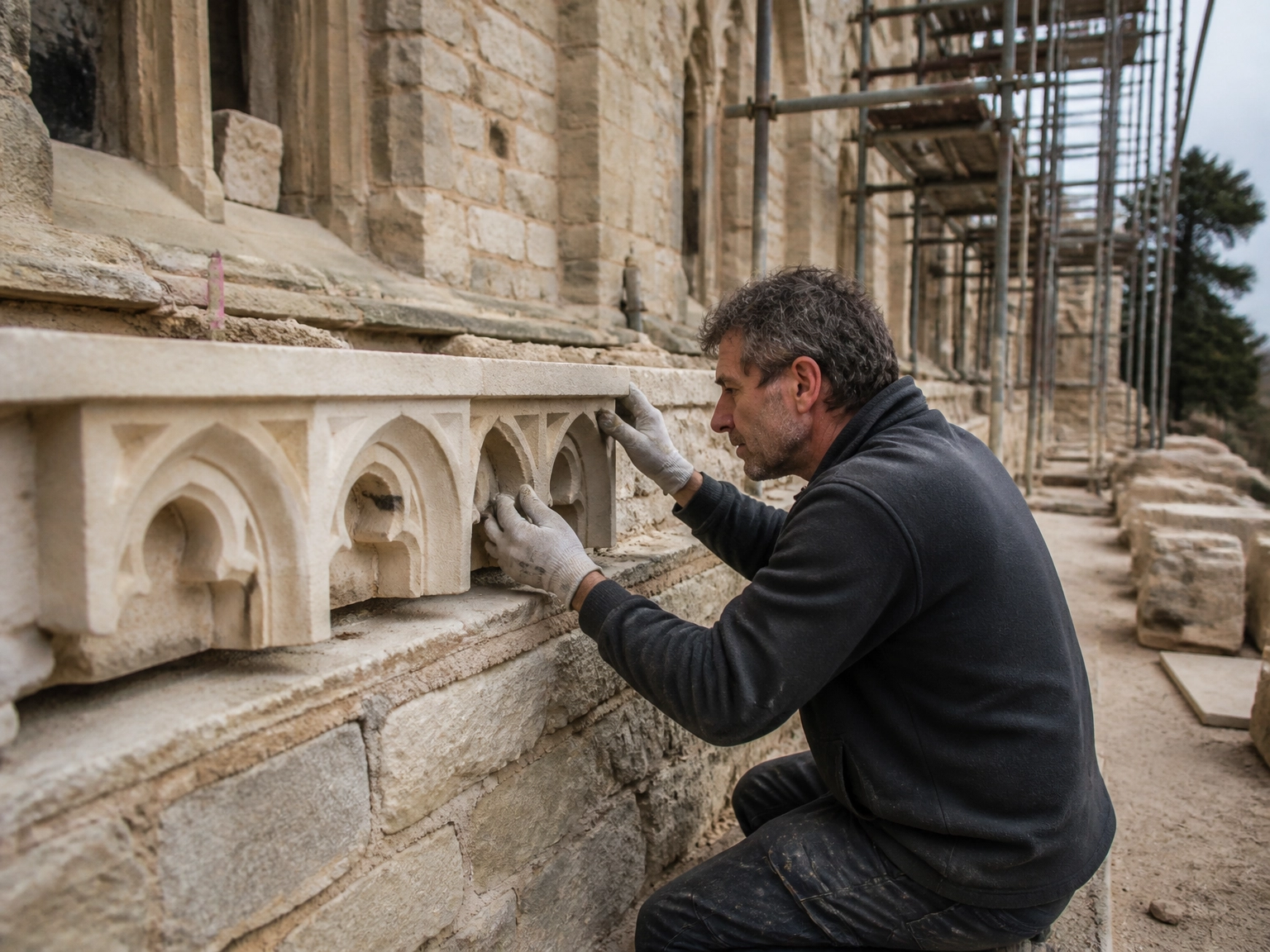
Rebuilding is defensible where documentary and physical evidence of what was there is strong enough to follow.
The difference from a new building in an old style comes down to evidence. Reconstruction is a recognised category in conservation practice, and its argument has to rest on documentary and physical evidence of what was there, not on taste. The Burra Charter is the standard Australian reference here, and it treats that reasoning as something to document and defend.
It suits a place where the fabric is degraded or gone but the significance sits in form, setting or story. Guessing is the weak point: reconstruction is most defensible where the original is well documented, and least so where details are invented. How a proposal is assessed depends on the state and local listing rules that apply, so it is worth checking them before you rely on any pathway.
Budgetwise, don’t assume the cheaper path just because it looks like a smaller project. You pay for new structure and new finishes while also paying to document and remove what remains. And the honesty test still applies: an invention presented as history tends to show once the work is built.
It is a problem-solving exercise as much as a design one.
Significance, Use and Budget: The Three Questions Side by Side
The three questions, side by side
| Heritage restoration | Adaptive reuse | Sympathetic reconstruction | |
|---|---|---|---|
| Significance it suits | The fabric itself | Fabric that can carry new life | Form, setting or story |
| Use it suits | Same use, modest upgrades | A different use in a sound frame | Any use, once rebuilt |
| Approvals load | Simplest to argue: like-for-like repair | Change of use plus works to fabric | Evidence of what was there |
| Budget shape | Smallest headline, hardest to hold | Conservation and new use planned together | New structure and new finishes, plus documentation of what remains |
| Biggest risk | Over-replacing fabric | New use reshaping significant fabric | Inventing detail |
The table shortlists, it does not answer. Most projects score well in two columns and poorly in one, and the weak column decides the approach.
Significance sets what you are permitted to do. Use sets the work that has to happen. Budget sets how much of that work you can actually fund.
What the table cannot tell you: structural adequacy, damp and termite damage, site and access constraints, and accessibility requirements. Each needs a site-specific assessment first. For community buildings, briefing a regional architect covers the decisions to settle before design starts.
Question 1: What Significance Must Survive?
Significance isn’t age, and it isn’t condition. Condition is simply how the place is holding up right now. Significance is the written statement of what matters about the place and why, usually set out in a heritage assessment or the citation attached to a listing.
Here’s a test you can apply yourself. If every bit of the fabric were replaced but the form, setting and layout stayed, would the place still be important? If yes, reconstruction may be defensible. If no, you’re likely looking at restoration or adaptive reuse.
Significance protects several things, and each points to a different approach. Original fabric, like handmade brick or joinery, argues for restoration. Form and setting can survive reconstruction. Use and historical association often suit adaptive reuse. Archaeological potential means investigate before you dig.
Get the statement of significance and a condition assessment in writing before design starts. It’s also worth checking which heritage document you need, since the wrong one can mean paying for scope you never use.
Finally, watch cumulative loss. A doorway here, a service there, and the fabric carrying the significance is quietly used up, which makes each next argument harder to win.
Question 2: What Use Does the Building Have to Carry?
With significance documented, the next question is what the building has to do. Start from the use, not the design: how many people at once, for how long, at what hours, what servicing, what parking, what fire egress and which accessibility standard applies. Those answers are the real brief.
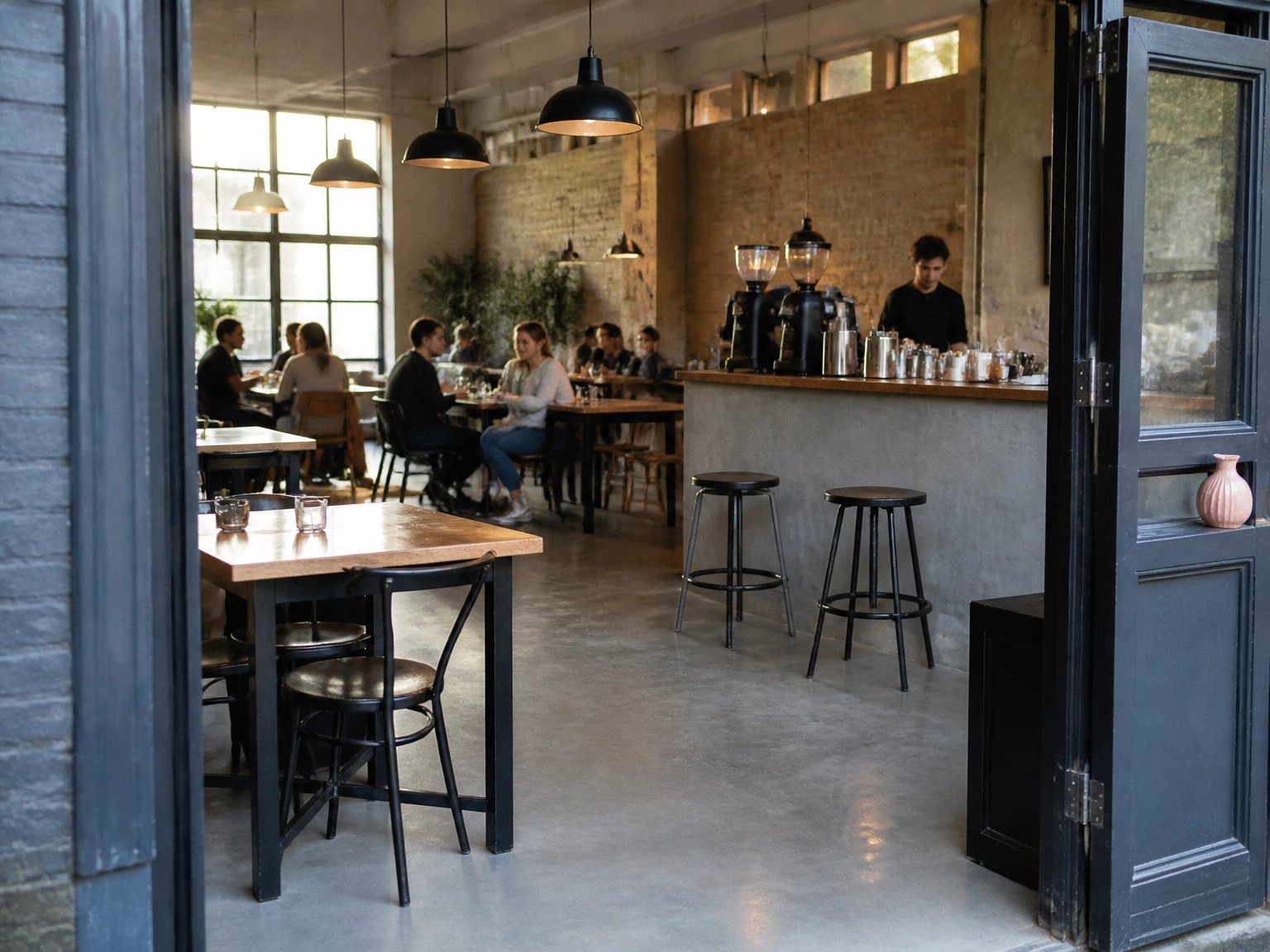
Test the frame. Can the existing structure and floor plates carry that use with minimal alteration? If the use forces the building to change shape, gain a level or add a large new wing, adaptive reuse stops being economical fast. In practice, a use that suits the existing proportions and openings is cheaper to build, easier to approve and less destructive than one that fights them. Treat that as professional judgement rather than a rule.
Don’t assume the statutory position. A change of use at a WA heritage place can trigger consenting separate from the works to the fabric, so verify it with your local government before relying on it. A designer with the skills a competent architect brings can test that fit early.
Last, the maintenance argument. Occupied, compliant heritage buildings tend to be maintained; empty ones decay. That only holds where the new use genuinely suits the significance.
Question 3: What Can the Budget Realistically Sustain?
A single fixed price for heritage work is a promise nobody can keep honestly. Unknowns hide in the fabric and only surface once work starts, so a cost plan with a stated contingency and staged options tells you more.
Split the budget into three labelled streams: conservation and repair, new work to suit the incoming use (sometimes as simple as a fitout, so see kitchen renovation as an architectural project), and compliance work covering fire, accessibility and services. Compliance is easy to overlook in an early estimate, so give it its own line from the start.
Sequence spending so weatherproofing and structural stabilisation are funded first. Deferred maintenance is what turns a repair job into a reconstruction job, and that jump costs far more than the original repair.
Ask about funding support before you finalise the budget. Some heritage works attract grant programs or rate relief, though eligibility and coverage vary. Check current WA programs from primary sources rather than relying on what a scheme covered years ago.
Budget aside, listing level alone does not decide the approach either.
Why the Listing Level Alone Does Not Decide the Approach
If the last section left you thinking a smaller budget means a smaller approach, the listing level is the next thing you might lean on. Resist it.
A state-registered place and a local heritage list entry can cover two buildings needing the exact same repair, and significance, use and budget still return the same answer for both.
Listing level changes process. It sets the rigour of assessment, how many parties are involved and how visible the decision is. Local heritage lists are legally binding and tie into planning law; a local heritage survey alone carries no statutory protection and is no development decision tool. Category matters too: some are automatically protected, others recorded but unprotected.
So a local listing does not mean you can broadly do as you like. The decision still turns on significance, intended use and budget, and the heritage assessment is where that is tested, using criteria-based guidelines and Burra Charter values.
Unlisted older buildings can carry value too, especially a group, streetscape or town centre. Check before you strip or demolish.
Treat listing level as shorthand and you can end up with a budget built for one option and an approval outcome that suits another.

Making the Call: Where to Get Advice
So listing level aside, three questions remain. Ask a designer to work through significance, intended use and budget in order.
Before you commission drawings, get two documents in writing: a statement of significance and a condition assessment. Everything else sits on top of them.
In Perth or regional Western Australia, ORA is an accredited architectural practice with heritage among its services, working across the Perth metro area and continuing to serve clients throughout regional WA. A practice that works on adaptive reuse can apply this framework to your site and show you where the weak column is.
One test for any practice you speak to: ask how they separate conservation works from new works in the cost plan, and how they sequence them. It tells you whether the framework is being applied, or the words are just being borrowed.
Conclusion
Restoration, adaptive reuse and reconstruction can look alike on day one, but they are not interchangeable. Let significance lead, because it sets permission. Let intended use shape the work, and let budget set the scope you can realistically fund. Listing level is shorthand, not a decision, and unlisted buildings in a group, streetscape or town centre can still carry real value.
Next step: talk to ORA, an accredited architectural practice in Perth and regional Western Australia with heritage among its services. Ask how they separate conservation works from new works in the cost plan, and how they sequence them. That answer tells you plenty.