
Most regional community projects do not fail because the architect cannot design. They stall because the brief was never settled. A council, shire, or community group that arrives with a defined site, a realistic budget range, clear operational requirements, funding conditions, and one named decision-maker will get more design value from every dollar of professional fees. One that treats briefing as the architect’s job invites ambiguity, rework, and tenders that test the market before the project is ready.
This guide shows shire staff and community committees how to prepare a brief that survives procurement. It covers why the brief, not the design, determines whether the fee buys clarity or rework; five decisions to settle before writing; and six artefacts to prepare before approaching the market: needs analysis, site constraints, budget assumptions, functional schedule, funding obligations, and procurement criteria. It then explains delegated authority, how provisional a brief may be, and practical steps before publishing a tender. It closes with practical tips and answers to common questions, so you will know what to decide, document, and delegate before a regional architect is engaged.
Why the Brief, Not the Design, Decides Whether the Fee Buys Clarity or Rework
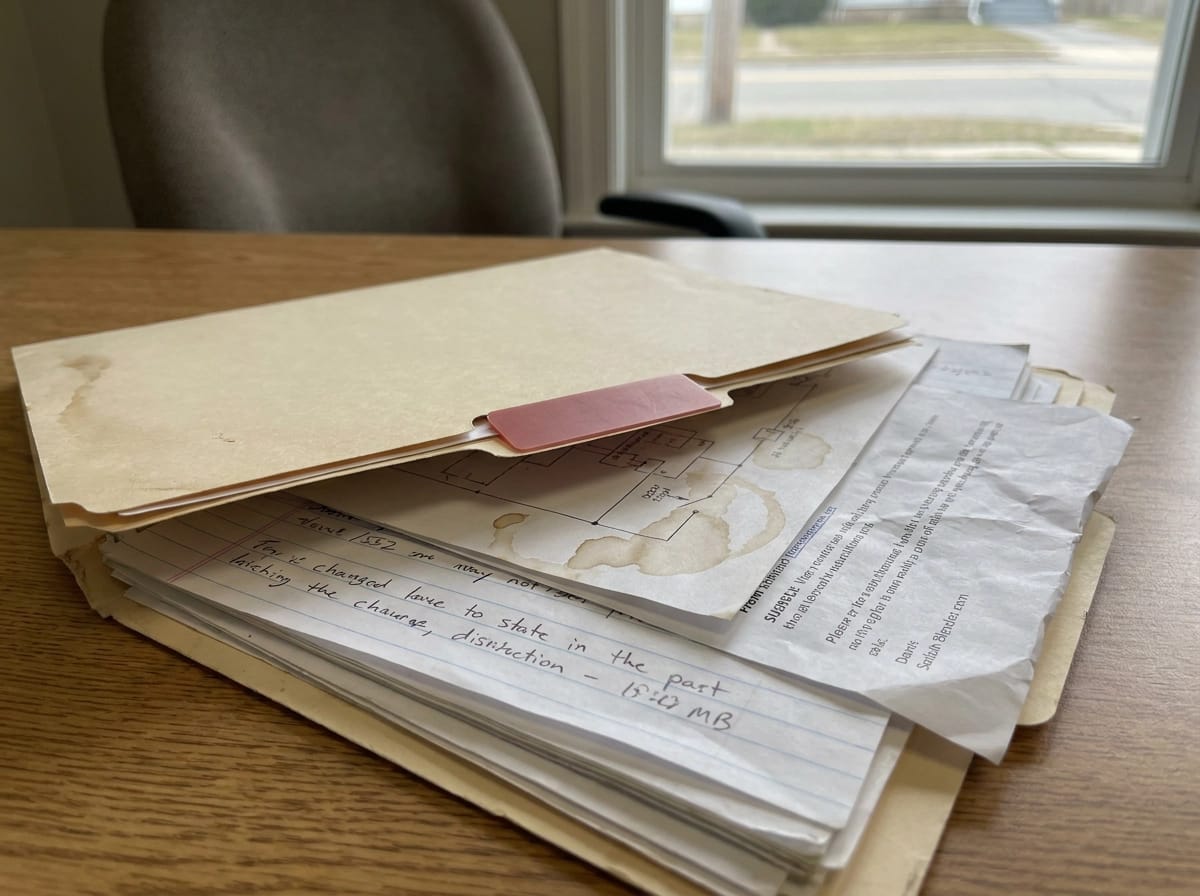
In our work with regional shires and community committees, projects stall at briefing, not design. Scope, budget and decision rights stay open past tender close, so the fee buys documentation of assumptions rather than a competent architect’s technical and contextual skills applied to design testing.
The Australian Institute of Architects’ April 2019 submission on the Local Government Act 1995 argued councils should complete a needs analysis, cost plan and full brief before tendering. It recorded members objecting to detailed tenders issued before scope was finalised, since one-off projects rarely match in-house procurement skill.
Regional projects sharpen this. A settled brief lets an architect price a defined scope; an unsettled one shifts risk into allowances, caveats and variations the council must fund.
Prerequisites: Five Decisions to Settle Before You Write a Brief
Settle these in writing first.
- Site: identify parcel, tenure (freehold, reserve, Crown land or unallocated Crown land) and zoning; confirm site or preferred. If two are live, state what closes the decision and when.
- Budget range: base-dated range with escalation, not one aspirational figure, per our guide to project budget and design stages. State inclusions and exclusions: construction only, or fees, authority charges, fitout and contingency.
- Operational requirements: users, hours, capacity, staffing and hire model. Seasonal peaks, after-hours hire and co-location reshape the brief before drawing.
- Funding conditions: every source, governing deed or guideline, such as the Community Sporting and Recreation Facilities Fund, and imposed design requirements. Non-negotiable.
- Named decision-maker: who approves scope changes, and within what limits. Most often left blank; it sets project pace.
The Artefacts to Prepare Before You Approach the Market
With those decisions settled, six artefacts matter: a needs analysis and problem statement; a site and constraints package; a budget range with cost plan assumptions; an operational requirements schedule; a funding conditions summary; and a procurement and selection brief. For storage or outbuildings, our guide to outdoor storage approvals in regional WA shows the site detail required. Scale them: a $150,000 upgrade needs a problem statement, site plan and budget; a $6 million centre needs all six plus a business case. Assign owners by role: procurement for the procurement brief, assets for site information, community development for the needs analysis, finance for the budget range. Treat the brief as a package: a one-page summary with attachments outperforms a sixty-page volume nobody finishes. List open decisions and their closers up front; that page makes the brief provisional by design, not unfinished.
Artefact 1: The Needs Analysis and Problem Statement
Begin with the problem, not the building. State need in service terms: “Residents travel 70 km to the nearest indoor program space, and the existing hall lacks accessible amenities,” not “We need a 400 square metre hall.” Gather evidence that survives council and grant scrutiny: usage and booking data, waiting lists, condition and compliance audits, travel distances to alternatives, and catchment population projections. Test refurbishment, shared use with a school or club, changed hours, relocation, or staged build before assuming new construction; document why each was accepted or rejected. Keep this to one or two pages. If your committee cannot summarise it in three sentences, tenderers will invent their own version. See Architectural Services for Australian Projects Across Every Project Type.
Artefact 2: The Site Information and Constraints Package
With the need settled, document the site. Include legal description, certificate of title, zoning, current scheme amendments, reserve status, heritage listings or local heritage survey entries, and known Aboriginal cultural heritage considerations.
Attach or reference current survey and levels, existing geotechnical data, and service locations, sizes and capacities for power, water, sewer and communications, with connection points marked against the likely footprint.
List cost drivers: vehicle access and turning, parking, servicing and waste collection, bushfire prone area mapping, flooding and drainage, easements, and environmental or vegetation protection. Note previous council resolutions, leases, access agreements and prior consultant work.
Do not commission new studies. State what is known, flag assumptions, and require the successful architect to verify them. The same discipline applies on tight sites, as our guide to judging an architect for a narrow lot in Perth shows.
Artefact 3: The Budget Range and Cost Plan Assumptions
Publish a range with a base date and the escalation allowance applied, such as “Q4 2026 base, escalated at 5% to tender”. Regional markets move differently from Perth, so a two-year-old metro figure will mislead tenderers.
State inclusions and exclusions explicitly: demolition, site works, service upgrades, landscaping, professional fees, authority charges, furniture, fittings and equipment, public art, contingency. Ambiguity makes submissions incomparable.
Separate the project budget from the architect’s fee; a percentage or lump sum can only be priced against a defined scope. Our guide to establishing a budget for your project explains the difference.
Name the funding source and any cap, and confirm whether GST, project management and internal charges sit inside the published figure. Ask the architect for cost per square metre benchmarks for your region and building type, to be tested against the cost plan.
Artefact 4: Operational Requirements and the Functional Schedule
Budget settled, the schedule sets what the money must buy. Record occupancy in numbers and time: peak, after hours, busiest month. Peak loading drives amenities, egress, parking and services, not average daily use. Describe relationships, not rooms: adjacency, after-hours securability, sightlines from staffed points, and access that avoids restricted areas. List compliance drivers: accessibility, early childhood licensing, food premises, sporting or aquatic standards, emergency egress. Address shared and dual use: school or club co-location, hire arrangements, user-group storage, and how shared access shapes entries, siting and security. State the recurrent cost the shire can carry. Maintenance, cleaning, utilities and staffing shape the brief as much as capital; councils that ignore them inherit assets they cannot afford to run. Our guide to designing sport and community facilities that work for users explains why.
Artefact 5: Funding Conditions and Acquittal Obligations
Funding is the other constraint on design. With each funding source identified per the prerequisites section, turn each condition into a design requirement: minimum standards, delivery timing, staging, matched funding, prescribed specifications or suppliers. Check current guidelines directly; verify department names. Local government functions sit with the Department of Local Government, Industry Regulation and Safety; DLGSC becomes the Department of Creative Industries, Tourism and Sport from 1 July 2025.
Record acquittal and reporting deadlines: a fixed window precludes slow staged builds. If funding fails, say which scope goes and whether stages or later expansion remain possible. Attach the deed itself, not a summary from memory. Our guide to community infrastructure project success covers the wider brief.
Artefact 6: Procurement Route and Selection Criteria
With funding conditions recorded, document the procurement route and why: open tender, EOI then RFT, a select or panel arrangement, or direct engagement within thresholds. WALGA Preferred Supplier Panels let member councils buy without a full open market process; confirm current scope and eligibility before assuming architectural services are covered. The AIA’s 2019 EOI/RFT research found that architects and clients are frequently misaligned on evaluation criteria and weightings, and that fee-focused selection can compromise design quality. Set criteria matching the brief: regional project experience, site understanding, team capacity, methodology and cost control approach. Tell the market in advance: brief and attachments, site access, evaluation weightings, one clarification contact, and a question cut-off with responses circulated to all respondents.
Naming the Decision-Maker: Delegated Authority Questions to Resolve First
Confirm who decides before you publish. Under s5.42 of the Local Government Act 1995, a council may delegate powers to the chief executive officer by absolute majority. Verify the current wording and the shire’s delegation instrument, not a previous project’s.
Tender acceptance above a set amount, acquiring or disposing of property above a set value, and anything needing an absolute majority, a 75% majority, or ministerial approval cannot be delegated, so plan for a council resolution.
Delegations must be in writing and registered, reviewed at least annually. Ask for the current instrument and its dollar limits.
The rule against sub-delegation matters: a committee chair or project officer may lack the authority your brief assumes, and rework follows.
Map each decision, including scope changes, variations, extra funding and design approval, to who decides, what triggers a council resolution, and the timeframe.
How Provisional Is the Brief Allowed to Be?
With decision rights mapped, decide how provisional the brief may be. Provisional is acceptable; unstated provisionality is not. Tag each element as fixed, indicative, or to be resolved by a named party by a named date, so tenderers price uncertainty instead of guessing.
Fixed: funding conditions, statutory and planning constraints, site tenure, accessibility and compliance standards, maximum budget. Indicative: floor areas, the split between building and external works, staging, materials, finishes, documentation levels. To be resolved: final site selection, operating and staffing model, co-location partners, future stage scope. Keep a decision log, updated with every addendum.
If a material decision genuinely cannot precede market, use a two-stage EOI or concept-based selection rather than forcing a fixed price on open scope. Tell tenderers how changes are handled, including the question cut-off and how responses are distributed.
Practical Tips Before You Publish the Tender
Before you publish, write for a tenderer who has never visited your town: explain the turn-off, service capacity, climate and user groups. Ask a reader outside the project team to answer four questions: what are we building, where, how much, and who decides. If any answer is missing, the brief is not ready. Budget for the briefing itself. A needs analysis and indicative cost plan are professional services, and paying for them properly costs far less than re-tendering. Where policy allows, issue an industry notice or hold a briefing session to test whether the brief is buildable and priceable before the formal process opens. Keep the summary to one page and the attachments complete: site pack, budget note, functional schedule, funding summary.

Frequently Asked Questions
Questions shires ask most often:
Do we need a concept design first? No. Bring a settled problem statement, site, budget range, operational requirements and decision route. Concept design is what you buy.
Can we ask for a fee before the brief is settled? Yes, but expect wide ranges and caveats. A settled brief produces comparable submissions priced to a defined scope.
Who approves the appointment? It depends on value and the current delegation instrument. Check the register, and whether accepting the tender needs a council resolution by absolute majority.
What if funding is unconfirmed? State it in the brief, say how scope changes if the application fails, and consider staged approval instead of one decision.
Must we use a panel? No. WALGA Preferred Supplier Panels sit alongside open tender, EOI, RFT and direct engagement within your thresholds. Document the route chosen.
Conclusion: Going to Market with a Brief That Works

With the five prerequisite decisions confirmed in writing, assemble the six artefacts, tagged fixed, indicative or open as set out above. Verify the current delegation instrument before market.
Match the procurement route to how settled the brief actually is, and set selection criteria that reward demonstrated understanding of the site and the region. If you want an experienced regional architect to review the brief before market, that conversation costs far less than a re-tender.