
There is a good chance you have never hired an architect. There is also a good chance you assume that is completely fine, because architects are for people building luxury homes or glossy commercial towers, right? It turns out that assumption is doing real damage, and not just to the architecture profession.
The idea that architects are a luxury service has quietly pushed them to the edges of everyday decision-making, especially in regional and suburban communities where good design is needed most. Meanwhile, architects themselves have been working hard to stay relevant, build community relationships, champion sustainability, and advocate for better built environments across the country.
In this post, we are going to unpack where that luxury myth came from and why it does not hold up. You will also discover what regional architects actually do day to day, how sustainability has become a core part of their work rather than an expensive add-on, and what communities genuinely lose when they stop including architects in the conversation. By the end, you might just want to pick up the phone and start a conversation with one.
The Assumption That Architects Are a Luxury
If you have ever flipped through an architecture magazine, the message is pretty clear: architects design for people with money. Sweeping coastal retreats. Cantilevered homes over bushland. Award-winning city towers photographed at golden hour. The public image of the profession has been shaped almost entirely by its most expensive output, and that framing sticks.
This is not accidental. Architectural media operates as an echo chamber, publishing what signals prestige while quietly excluding everything else. Community halls, heritage cottage restorations, farm infrastructure, modest suburban renovations, these projects rarely appear in glossy spreads, not because they are less valid, but because they are less photogenic to a publication chasing aspirational readers.
The result is a significant blind spot. There is almost no public-facing narrative that shows how much architectural work, particularly in regional Australia, actually serves everyday residential clients, community organisations, and small commercial operators. What is clear is that the day-to-day breadth of regional architectural work rarely surfaces in public conversation.
So if you have always assumed an architect was out of your league financially, that assumption is completely understandable. It was built for you, slowly, by decades of coverage that only showed one type of client.
Here is the problem with that assumption, though: it has real consequences. When a community group dismisses the idea of engaging an architect for a new facility, or a heritage homeowner skips professional advice on a renovation, the outcomes are often poorer, more expensive, and harder to reverse. Understanding why architectural design is worth more than it costs starts with recognising that the profession was never as exclusive as its public image suggests.
What Regional Architecture Actually Looks Like Day to Day
So what does a regional architect actually work on? The list is longer than most people expect.
A practice like Office of Regional Architecture handles heritage residence transformations, farm extensions, community halls, council buildings, small commercial fit-outs, and landscaping projects. The client list runs from individual homeowners and farming families to local councils and community organisations. Project budgets span an equally wide range.
That diversity is the norm in regional practice, not the exception.
Compare that to the metro luxury model. High-net-worth clients concentrate in cities, and because those projects photograph well and attract media attention, they dominate how architecture gets represented publicly. A regional practice serving a farming family or a community group rarely generates a magazine spread. But it generates real outcomes for real people.
Complex problems don’t only live in expensive projects. A heritage residence transformation involves heritage overlays, planning approvals, conservation requirements, and often a tight budget with no room for errors. A community hall project brings stakeholder consultation, accessibility standards, cultural considerations, and council compliance into the same brief. These constraints routinely demand more creative problem-solving than a new luxury build on a clean site with an open chequebook.
Regional practitioners understand this because they live it. Working within the financial realities of everyday clients is not a compromise; it shapes how services get structured. Fee proposals, staged delivery, and phased design are all practical responses to budgets that are real rather than aspirational.
The work is varied, grounded, and technically demanding. It just doesn’t always make the front page.
The Community Relationship Advantage Regional Architects Carry
The breadth of project types is one part of the picture. The depth of relationship is another, and this is where regional practitioners hold a genuine structural advantage.
A regional architect working in the same community for years accumulates something no outside firm can invoice for: contextual knowledge. They know which council officers handle heritage overlays, which local families have custodial connections to a site, and how the land behaves across seasons. A metropolitan firm parachuting in for a single project starts from zero on all of that.
Cultural competency is now a baseline professional expectation across Australian architecture. The ACA’s dedicated First Nations Understanding section reflects a profession-wide commitment to working respectfully with Indigenous communities. The Australian Institute of Architects maintains a parallel First Nations Resources Hub focused on culturally respectful design. Regional practitioners are naturally positioned to lead here because cultural safety is built on ongoing relational accountability, not a training course completed once.
The RAA’s national events model this directly, bringing regional practitioners together from across the country and prioritising place-based connection over city-centred networking.
The practical payoff matters too. Knowing local land use constraints, Indigenous heritage overlays, and community values from the ground up reduces costly redesigns and avoids failures that follow when cultural or planning context is misread. This connects directly to how site work intersects with community needs, explored in this practical guide to landscape architecture for WA property owners.
Luxury-focused metropolitan firms rarely invest the time needed to build this depth of local trust, making it a genuine differentiator, not a soft benefit.
Sustainability Is Built In, Not an Upgrade
That community knowledge extends naturally into another area where regional practice defies the luxury assumption: sustainability. Many people still picture eco-design as an expensive add-on, the kind of thing you request when you have budget to spare. In regional practice, that framing gets it backwards.
Carbon reduction, energy efficiency, and biodiversity considerations are not premium extras that inflate a project brief. For regional architects, they are standard starting points. A building that performs poorly in an extreme climate, consumes excessive power, or ignores its surrounding landscape is simply a bad building, regardless of what it cost to construct. Good design addresses those problems from the first sketch, not the final invoice.
The Regional Architecture Association’s recent events reflect this directly, including a 2026 discussion of hemp-based building materials and other sustainable systems. The appeal is practical: materials and systems like these can deliver economic and on-site efficiencies that matter enormously when you are building in a remote location where trades are scarce and material delays are expensive. Sustainability here is a logistics solution as much as an environmental one.
For clients in regional WA, this has real financial consequences. A well-insulated, passively cooled building costs less to run year after year. For a family on an average income, a community organisation, or a farming operation, that ongoing saving is not a nice-to-have; it is the difference between a building that works long-term and one that quietly becomes unaffordable.
This is precisely why Office of Regional Architecture treats carbon emissions, resource consumption, and biodiversity as core service values across residential, community, and commercial projects. Architecture at its best is problem-solving, and in a regional context, sustainability is one of the most practical problems a good architect helps you solve.
The Professional Ecosystem Behind Regional Architecture
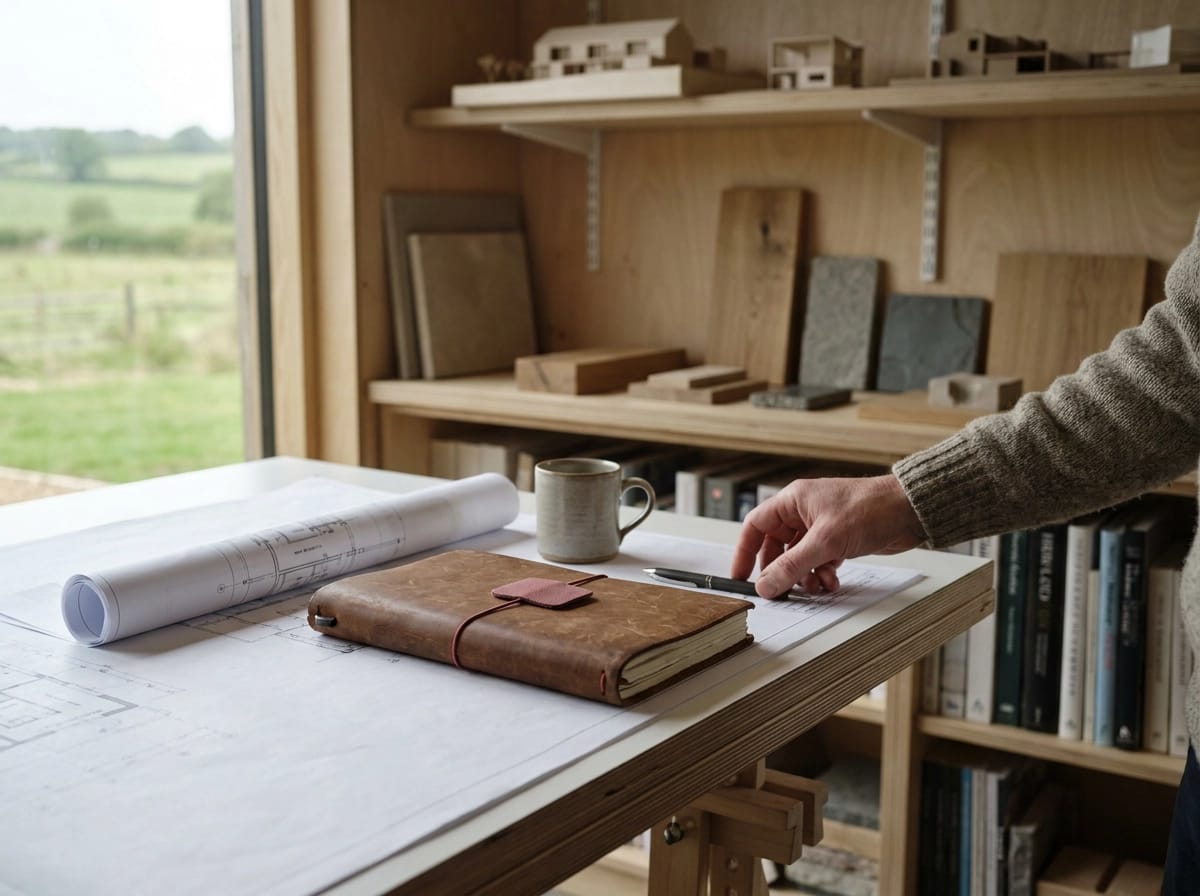
That commitment to sustainable practice does not happen in a vacuum. Regional architects are backed by a professional ecosystem specifically built to support the kind of work they do.
The Regional Architecture Association (RAA) was established in 2021 as a member-driven network focused entirely on regional practitioners. It provides three things most professional bodies miss for non-metro architects: peer support, collective advocacy, and genuine community connection. It has already shaped government policy, contributing to the NSW Government’s Regional Housing Taskforce report, which confirms that regional architectural practice carries recognised weight beyond the profession itself.
Alongside the RAA, the Association of Consulting Architects Australia (ACA) advocates for better business practices across the whole profession, including workplace culture and equity.
This matters for clients directly. Architects who are connected to peers, informed on current practice, and supported through professional networks deliver stronger outcomes than those operating in isolation. Good professional infrastructure produces better buildings.
What these bodies also signal, collectively, is that regional architecture is a deliberate and resourced practice model. The profession itself has recognised that serving communities outside metropolitan centres involves distinct challenges and distinct value. A separate advocacy body does not emerge unless there is something genuinely worth advocating for. If you are curious about what is reshaping WA’s urban landscape beyond the city, those shifts make the case even clearer.
What Communities Lose When They Write Off Architects
That professional ecosystem matters, but only if communities actually use it. The most immediate cost of the “architects are for the rich” myth is not paid by architects. It is paid by the towns, organisations, and families who proceed without guidance they genuinely needed.
The groups who lose most, community organisations, farming families, heritage homeowners, are often the ones most certain they do not qualify for architectural input.
There is also a straightforward economic argument that gets overlooked. Engaging an architect early typically costs less than fixing avoidable mistakes later, whether those mistakes show up as compliance failures, rework, or buildings that perform poorly for their entire lifespan. Professional fees are an investment in avoiding far larger costs downstream.
Regional communities are already at a disadvantage here. Access to skilled professionals is thinner outside metropolitan centres, and that gap is structural. A perception problem sitting on top of a supply problem compounds the inequity in a way that is genuinely harmful.
Correcting this is not the profession advocating for itself. It is removing a barrier that has talked real people out of seeking help that would have served them well.
How to Start a Conversation With a Regional Architect
So what does actually picking up the phone look like?
First, relax. An initial conversation with a regional architect is not a contract signing. It is a chance to describe what you have in mind and hear honestly whether professional input would help. Good regional architects will tell you plainly if your situation calls for full engagement or if a brief consultation covers what you need. There is no obligation attached to asking.
These are precisely the modest projects, hall additions, heritage cottages, farm sheds, small extensions, covered earlier, where early input prevents expensive corrections. Knowing how smart design saves construction costs before you break ground can be the difference between a project that stays on budget and one that blows out mid-build.
When you walk into that first conversation, bring three things: a rough description of the project, any site or planning constraints you already know about (heritage overlays, zoning, setbacks), and an honest sense of your budget. You do not need polished drawings or certainty. A starting point is enough. It is also worth asking how fees are structured. Many practices can propose staged engagements, such as a concept design stage before you commit to full documentation, so you can decide one stage at a time.
Office of Regional Architecture works across exactly this kind of variety, from heritage residences and community builds to farm infrastructure and modest renovations, with individual and community clients at different budget levels. The approach is collaborative from the first meeting, not transactional.
If you are in regional WA, architecture is a professional resource that belongs to you. The price-out assumption is the myth this entire post has been dismantling. The first step is simply starting the conversation.
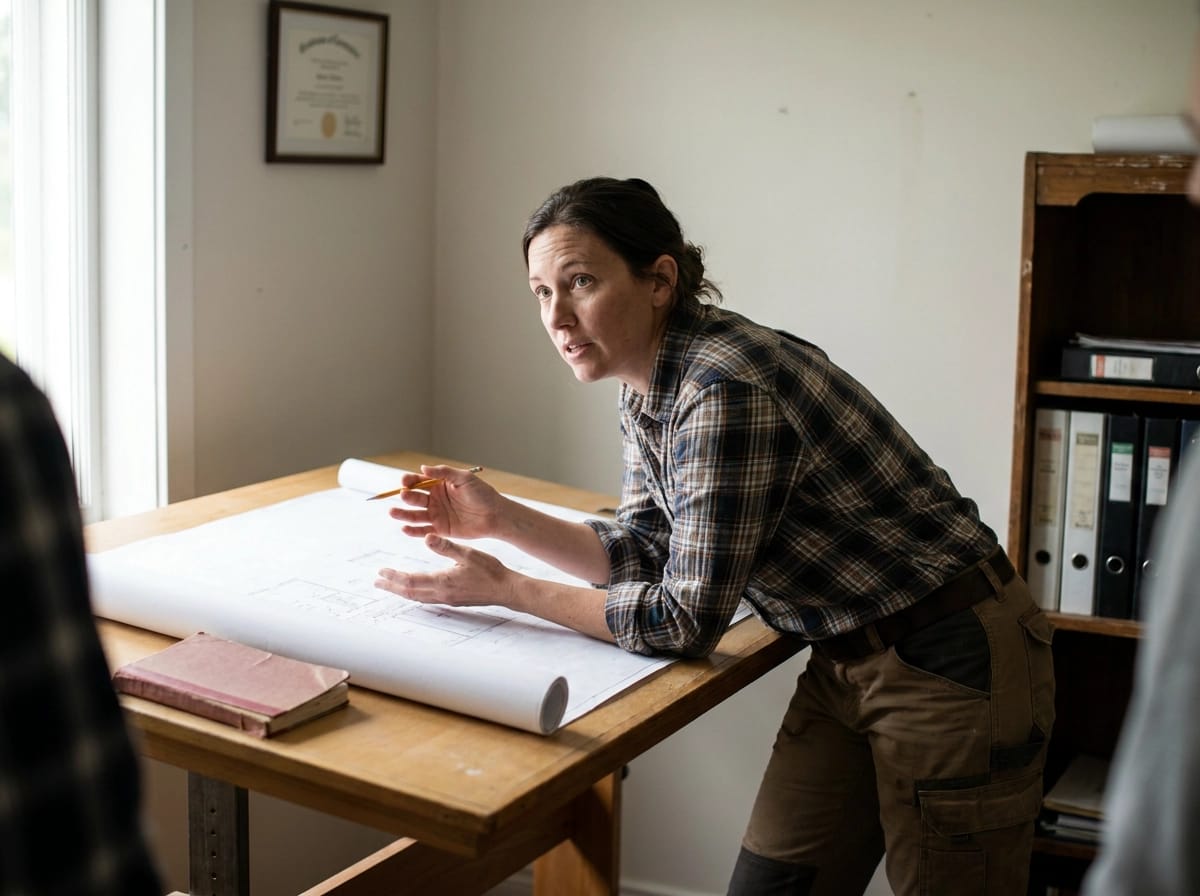
The Profession Is Broader Than Its Public Image
The “architects are for the wealthy” story is a media problem, not a profession-wide reality. The coverage gap established earlier in this post is the profession’s most persistent reputational problem, but the actual workload tells a richer story.
Regional practices have developed genuine strengths precisely because their client base is broad. That breadth of experience produces better outcomes across every project type, regardless of budget.
If you have a project in regional WA, the first step is simply asking the question. A heritage property, a community facility, a farm infrastructure upgrade, a modest home renovation; these are exactly the project types where thoughtful architectural input adds real value and is genuinely within reach.
The wider point matters beyond any single practice. When communities recognise regional architects for the full range of work they actually deliver, more people get access to expert design input. Buildings perform better, heritage is protected, resources are used wisely, and communities are better served. That is not good for architects alone. It is good for every person in every regional town who deserves a well-designed, considered built environment, whatever their budget.
Conclusion
The myth does not serve architects, and it does not serve communities. Dismantling it starts with one conversation.
You may be surprised how far professional design input can stretch. Better buildings, smarter use of resources, and stronger communities start with a single conversation. That conversation is more accessible than most people think.