
Something significant is shifting in how built environments are conceived, and landscape construction sits at the centre of that transformation. What was once treated as a finishing layer applied after the “real” work was done is now recognised as foundational infrastructure, capable of managing water, sequestering carbon, supporting biodiversity, and defining how people experience space over decades.
This shift is not simply aesthetic preference. It reflects a deeper reorientation in architecture and design toward systems thinking, where the relationship between buildings, land, ecology, and community becomes the primary design concern. In Western Australia, that reorientation carries particular weight, shaped by a distinct climate, rich ecological heritage, and growing client demand for projects that perform as living systems rather than static compositions.
This analysis explores what that evolution means in practice. From the principles behind living systems design to the specific conditions that make Western Australia a compelling case study, through heritage adaptation, measurable sustainability outcomes, and collaborative delivery models, the sections that follow build a clear picture of why landscape construction has become a strategic decision, not just a project component.
From Decoration to Infrastructure: A Discipline Redefined
Australian architecture is undergoing a structural reorientation. According to Build Australia’s 2026 architecture trends analysis, design excellence is shifting decisively from aesthetics and efficiency toward responsiveness and regeneration. Landscape construction sits at the centre of that shift, not at its periphery.
The practical consequence is significant. Landscape elements are now evaluated as performance infrastructure: native plantings manage thermal comfort, soil health governs carbon sequestration, water systems determine long-term operational demand, and ecological corridors connect individual sites to broader habitat networks. The old model, decorative planting added after architectural decisions were locked in, produces projects that increasingly fail against contemporary sustainability obligations and long-term asset value benchmarks.
This matters for how projects are scoped and costed. When landscape construction enters the budget as a finishing item, it becomes the first scope to be value-managed under cost pressure. The result is degraded ecological outcomes that cannot be recovered once construction is complete. For anyone weighing how to structure a project, understanding what landscape architecture actually involves for WA property owners is a useful starting point before budget allocations are set.
Practices like Office of Regional Architecture, working within these constraints daily, develop the site-specific systems thinking that regional projects require.
What Living Systems Design Actually Means on the Ground
Reframing landscape construction as performance infrastructure only holds if the design methodology backs it up. Living systems design does that by treating a landscape not as a finished product but as an ongoing ecology, where soil microbiomes, canopy layers, water infiltration rates, and habitat corridors operate as interdependent infrastructure rather than independent elements.
Plant specification follows function, not appearance. Shade provision, carbon sequestration, habitat value, and erosion control become the primary selection criteria; aesthetic composition emerges from those functional decisions. A planting palette assembled on ecological grounds typically produces greater visual coherence than one assembled on appearance alone, because ecological relationships create inherent structural logic across canopy, understorey, and ground layers.
Water management operates at landscape scale. Swales, rain gardens, and permeable surfaces are only effective when designed as an integrated retention and infiltration sequence, not installed as isolated features. Each element handles a different flow rate and infiltration stage, and the combined system determines how much water is captured, slowed, and returned to the water table rather than lost to runoff.
Soil health is a performance baseline, not a preparation step. Compaction levels, organic matter content, and mycorrhizal network integrity directly influence plant establishment rates, irrigation demand, and long-term carbon sequestration capacity. Soil assessment and remediation is therefore a front-end design task.
Corridor thinking extends the project boundary. In regional WA, individual sites frequently interface with bushland, agricultural land, and endemic species habitat. Designing vegetation and water systems to connect with that broader landscape, rather than terminate at the property boundary, separates genuine ecological integration from isolated greening.
Why Western Australia Demands a Different Approach
Those living systems principles play out differently when applied across Western Australia’s climate range. A framework calibrated for Perth’s Swan Coastal Plain is not automatically fit for a project in the Wheatbelt, the Great Southern, or the Pilbara. National landscape construction guidance requires substantial regional translation before it can be applied reliably here.
Water scarcity is the single constraint that shapes every other decision. Scheme water restrictions, bore licence limitations, and climbing summer temperatures mean that plant selection, irrigation design, and soil preparation made at the design stage lock in the project’s operational water demand for its entire life. This is not a maintenance issue; it is a design issue. Because landscape design in Western Australia calls for different thinking from much of the rest of the country, the decisions that determine long-term viability are made early or not at all.
Native species selection compounds this. Regional WA projects require genuine literacy in local provenance. Commercially grown cultivars of native species are not interchangeable with locally sourced seed stock. Locally sourced seed stock reflects the genetic composition of the surrounding ecosystem, a distinction with real ecological consequences for establishment and long-term biodiversity outcomes that commercially grown cultivars cannot replicate.
Fire interface design is non-negotiable across most regional WA settings. Fuel load management, defendable space planning, and species selection that balances fire resistance with habitat function must be integrated into the landscape construction brief from the outset, not retrofitted after spatial decisions are fixed.
Community and agricultural projects add another layer. Farm extensions, rural residential developments, and community facilities frequently occupy land with existing ecological value. The appropriate strategy integrates construction with that existing native vegetation rather than clearing it as a site preparation default.
Heritage Landscapes: Preservation, Adaptation, and Continuity
Regional WA’s climate and ecological complexity demand specialist knowledge before a single plant goes in the ground. Heritage landscapes add another layer of obligation entirely, one that generalist contractors are structurally unprepared to meet.
Working within a heritage-listed landscape requires fluency in cultural significance assessment, period planting palettes, material provenance, and the specific obligations that heritage listings impose on any new works. These are not skills that transfer from standard residential or commercial landscape construction.
Adaptation, not restoration, is usually the right framework. Many heritage landscapes were designed for conditions, maintenance budgets, and water access that no longer exist. The appropriate response is to redesign the landscape to preserve its spatial character and cultural meaning while meeting contemporary sustainability obligations, not to replicate something that cannot be sustained. The Burra Charter and its Practice Notes provide Australia’s primary professional framework for navigating this distinction.
Documentation must precede any design decision. A detailed survey of existing vegetation, hardscape, and spatial organisation establishes which elements carry genuine heritage significance and which represent later modifications with less cultural weight. Without this baseline, every subsequent decision is exposed.
Material and species compatibility is a design literacy problem, not a budget problem. New landscape construction within a heritage context must respect period character without replicating it exactly. The difference between pastiche and sensitive contemporary integration comes down to whether the practitioner understands how constraints shape good design outcomes, a skill developed through genuine project experience, not general principles.
Office of Regional Architecture’s heritage residence work in regional WA reflects exactly this dual obligation: holding cultural continuity and ecological performance simultaneously within a single landscape design.
Carbon, Biodiversity, and Measurable Sustainability Outcomes
Sustainability obligations don’t end with built fabric. Landscape construction carries measurable carbon and biodiversity consequences that most project assessments still undercount.
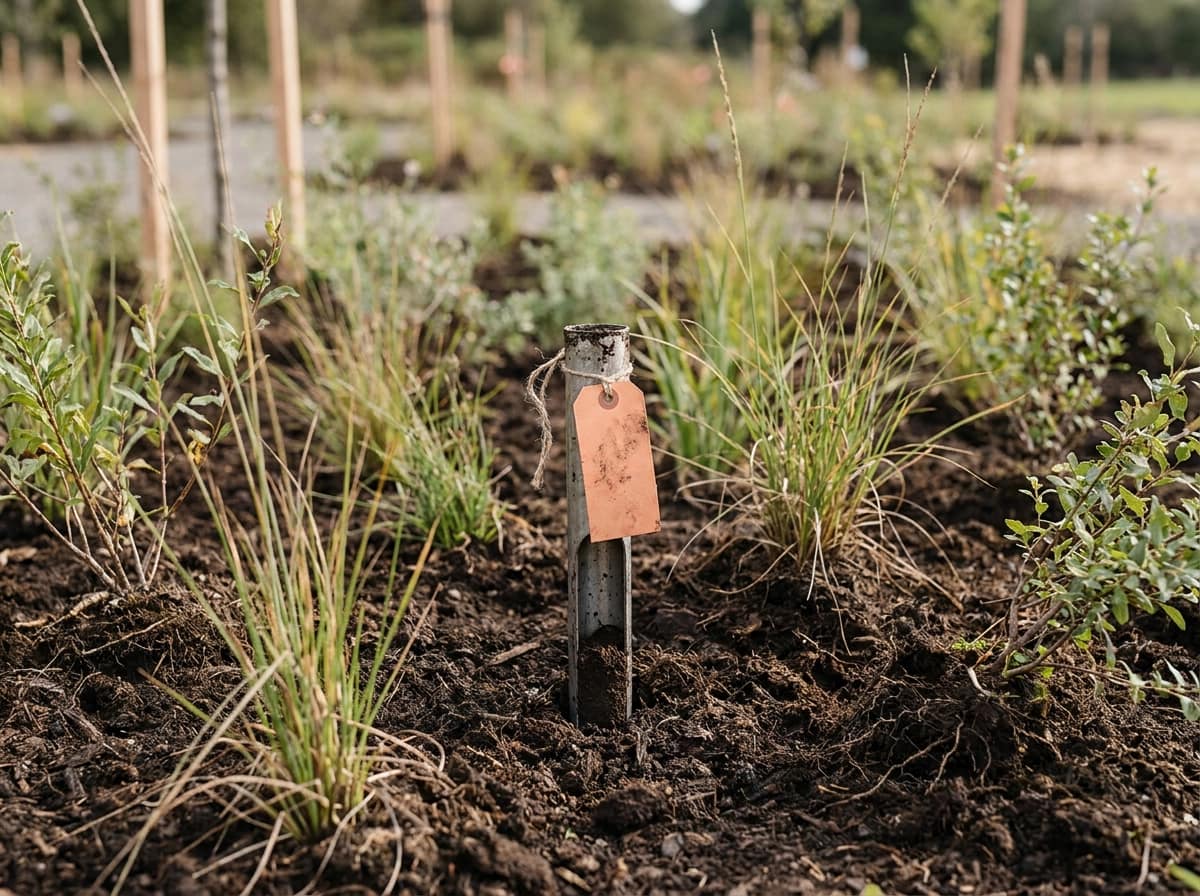
Soil carbon sequestration rates vary substantially depending on species mix, organic matter management, and irrigation regime. These are designable variables. Soil and planting specifications, rooted understorey communities, composted soil profiles, and reduced irrigation are the design levers that influence a project’s carbon sequestration trajectory over a decade. The relevant planning horizon is ten years, not twelve months, long enough for native plant communities to build biomass, soil structure, and habitat complexity that fast-establishing species cannot replicate.
Embodied carbon in landscape materials deserves equal attention. Concrete paving, treated structural timber, imported aggregates, and synthetic irrigation infrastructure all carry significant upstream carbon loads. Specification decisions made at design stage can substantially reduce this: local stone, recycled hardscape materials, and reduced paved area ratios each compress embodied carbon without compromising function or amenity.
Biodiversity outcomes are now a reportable metric, not an aspiration. Commercial clients with ESG obligations and community organisations receiving public funding increasingly need to demonstrate genuine ecological uplift. Landscape construction specifications determine whether that standard is met. A monoculture lawn with ornamental plantings at the perimeter does not constitute biodiversity uplift, regardless of how it reads in a project brochure.
The professional standard has shifted accordingly. Clients should request that landscape construction be specified against quantified ecological performance criteria, covering water demand, sequestration potential, and habitat outcomes. Practices that respond with generic sustainability language rather than measurable commitments are not operating at current disciplinary standards. Office of Regional Architecture’s approach to sustainability in landscape and architectural projects reflects this shift toward accountable, outcome-based specification.
How Collaborative Design Improves Landscape Construction Outcomes
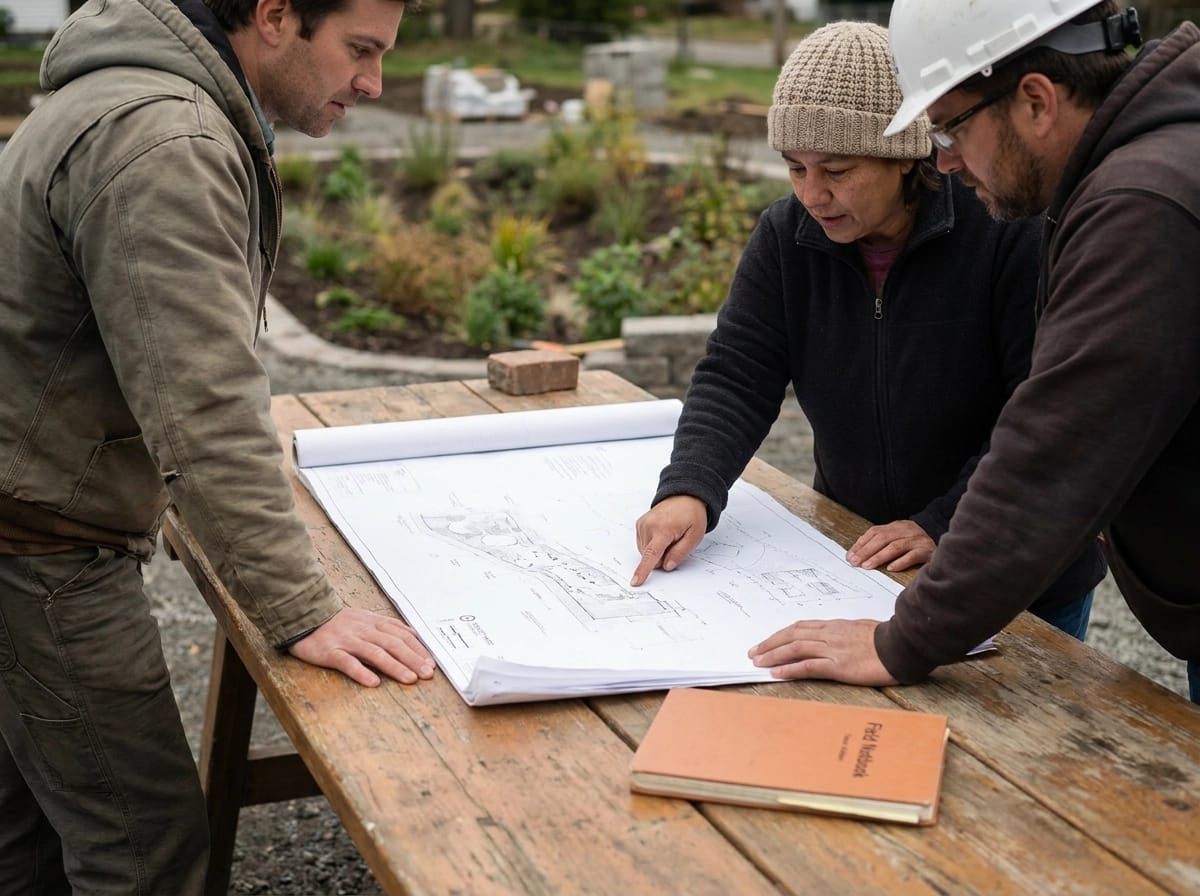
Specifying measurable ecological outcomes is only half the equation. Who contributes to those specifications determines whether they hold up once construction is complete and the design team moves on.
Community-driven projects, including sports facilities, public gathering spaces, and health and education buildings, tend to produce better-aligned landscape construction outcomes when community members contribute directly to the design process. Local ecological knowledge, cultural associations with place, and an honest account of long-term maintenance capacity are not soft inputs; they are performance data. The American Society of Landscape Architects identifies community members as holders of “valuable knowledge of the conditions, needs, opportunities, and limitations of their communities and places,” and notes that early engagement prevents missed opportunities that poorly informed decisions cannot recover.
Maintenance realities surface through genuine consultation in ways that desktop analysis cannot replicate. A community organisation managing a regional recreation facility on a volunteer roster cannot sustain a high-input irrigation system. That constraint, identified early, redirects specification toward drought-tolerant native planting requiring minimal intervention after establishment. The result is a landscape that performs across its full lifespan, not just through its defects liability period.
For farm extensions and rural residential projects, landholders often carry decades of site-specific ecological observation. Soil behaviour across seasons, microclimatic variation, drainage patterns, and existing native remnants are all known. A collaborative process that draws on this knowledge produces landscape construction outcomes shaped by that knowledge from the outset, rather than specifications imposed without that grounding.
The people who occupy and maintain a landscape are its most important long-term performance variable.
What to Look for When Engaging a Landscape Construction Practice
Knowing what to ask separates clients who get genuinely effective landscape construction from those who receive attractive but underperforming results.
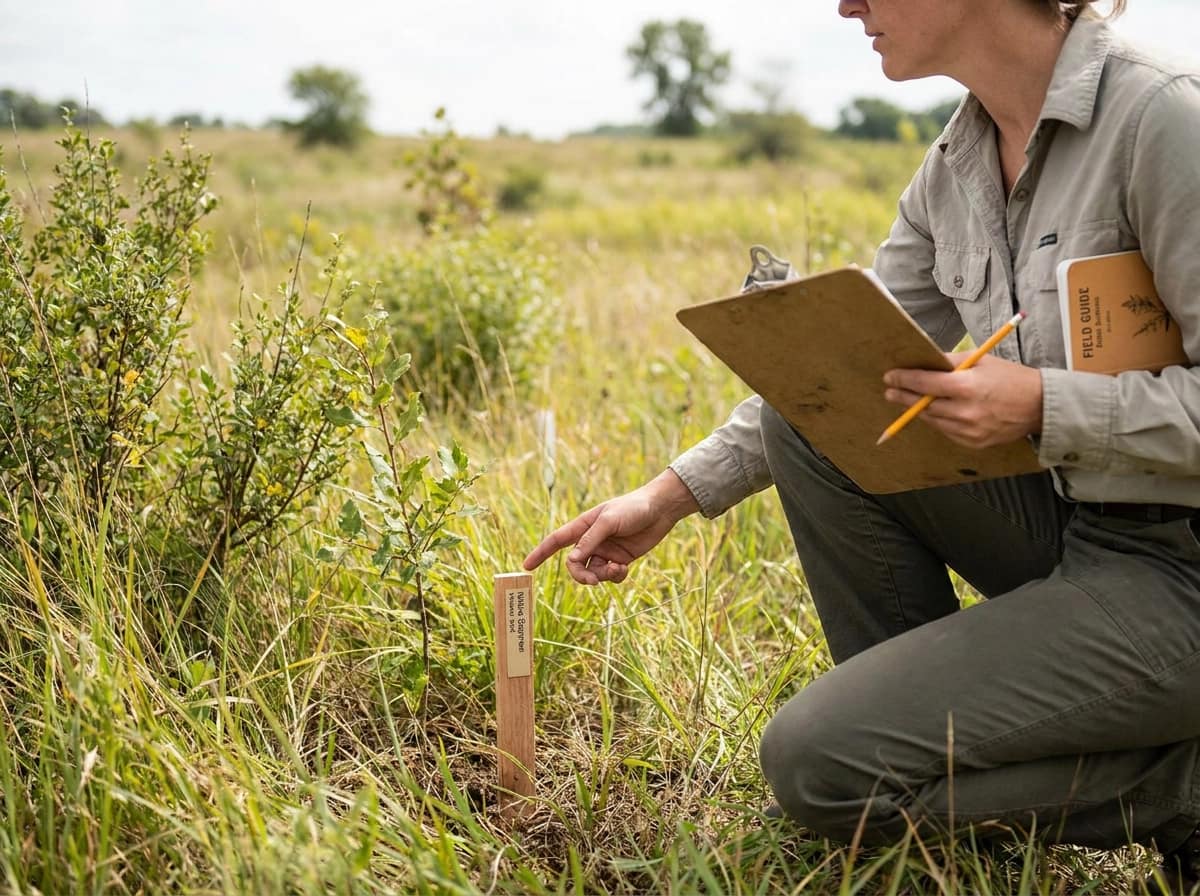
Ecological literacy is now a baseline credential, not a differentiator. Any practice you consider should be able to name local native species by ecological function, not just common name. Ask how they approach water management relative to projected climate shifts in your region. Ask what role soil health plays in their specifications.
Ask directly how landscape decisions connect to building performance. Does shading from canopy reduce cooling loads? How does the stormwater strategy affect the building’s drainage infrastructure? Practices that cannot answer these questions are treating landscape as a separate scope item, which is an outdated framework. As covered in our article on why architectural design is worth more than it costs, integrated design decisions compound over a building’s lifecycle in ways siloed thinking cannot achieve.
Regional experience outweighs portfolio size. A practice with hands-on experience in WA’s climate zones, fire interface conditions, and endemic ecology will deliver more reliable outcomes than a large metropolitan firm without that contextual grounding. Volume of projects elsewhere is not a substitute.
For heritage projects, ask for documented examples, not general claims. Request specifics: heritage listing navigation, cultural significance assessment, period-appropriate species selection. Competency here is demonstrated, not stated.
Finally, ask what ecological outcomes the practice will formally commit to. The expectation that landscape construction be specified against measurable ecological outcomes is now embedded in client ESG obligations and emerging disclosure frameworks; practices offering only aspirational language are operating below that expectation.
Bringing It Together: Landscape Construction as a Strategic Project Decision
Once you have identified what to look for in a practice, the next step is acting on that knowledge from day one of your project.
Landscape construction must enter the design process at inception, not after architectural decisions have been locked in. Site orientation, building footprint, stormwater routing, and external material selections all constrain what is achievable in the landscape. Reversing those decisions later is expensive; avoiding the constraint entirely requires landscape thinking at the brief stage.
As covered in the sustainability section above, measurable ecological targets (water demand, sequestration potential and biodiversity uplift) must be embedded at brief stage, not retrofitted at the end.
In regional WA specifically, documented regional ecological knowledge is a baseline requirement, not a premium add-on.
Heritage projects require verified specialist competency: that literacy is demonstrated through documented work, not stated in general terms.
If you are planning a residential, community, or commercial project in regional Western Australia, understanding the full sequence of stages from feasibility through to construction is a useful starting point. Contact Office of Regional Architecture to begin a consultation.
Conclusion
Landscape construction in Western Australia is no longer a finishing step; it is a foundational project decision with measurable consequences for performance, sustainability, and long-term value.
The key takeaways are straightforward. Living systems design requires performance criteria embedded from the outset, not added at the end. Regional WA conditions demand locally grounded ecological knowledge, not generic national frameworks. Heritage landscapes require verified specialist competency. And collaborative design, pursued early, consistently produces better outcomes across budget, function, and environmental impact.
The difference between a landscape that performs and one that merely looks acceptable at handover comes down to the quality of decisions made before construction begins.
If you are ready to approach your regional WA project with that standard in mind, contact Office of Regional Architecture to begin a consultation. Build something that lasts, and build it right from the start.